 Preparing for a Pebble Dash Job: Scaffolding, Neighbours and TimingA little planning makes any pebble dash job run more smoothly. Here is what to expect with scaffolding, neighbours, permissions and the weather.Read more
 Pebble dash service · South Wales
Painting Pebble Dash and Masonry Coatings
Painting can give old or patched pebble dash an even, fresh colour. The key is preparation: clean, repair and choose a breathable coating suited to the wall, then apply it so it gets into every stone.
- Free survey
- Clear written quote
- Homes & commercial
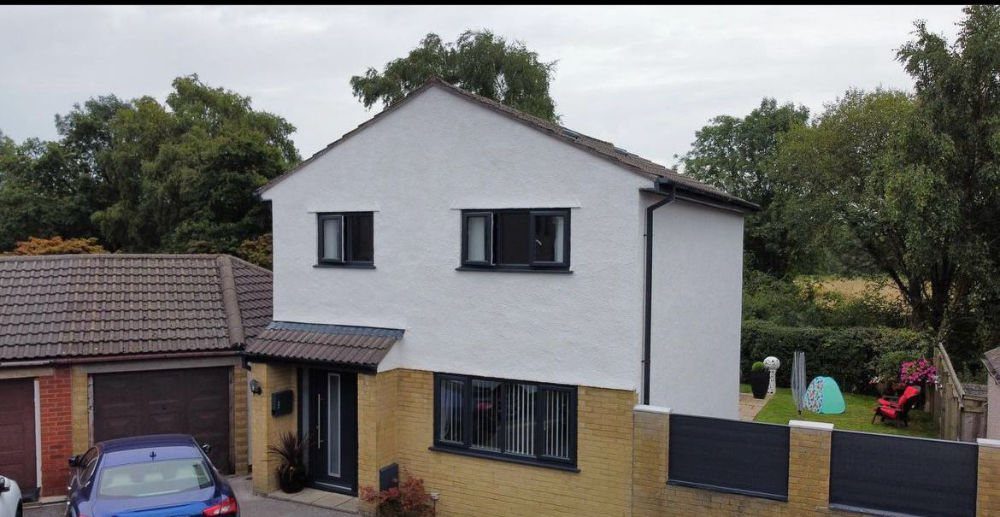
Painting pebble dash divides opinion. Done well, it can transform a tired house, hide the difference between old dash and new repairs, and give a terrace or estate a crisp, cared-for look. Done badly, with the wrong paint on a dirty or damp wall, it peels, traps moisture and becomes a maintenance headache.
We paint pebble dash on houses and commercial buildings across South and West Wales, and we spend most of our effort on the parts you do not see in the finished photo: cleaning off algae and grime, fixing cracks and blown render, and choosing a coating that lets the wall breathe. Dash is a deeply textured surface, so getting paint into every gap between the stones takes time. We would rather give you an honest view on whether painting is right for your wall than sell you a coat that will not last.
Is painting the right choice?
Painting works well when the render is sound and the problem is how it looks: uneven colour, visible patches, faded stones or a colour you simply do not like. It is often the neatest way to hide repairs that cannot be matched perfectly on old dash.
It is less suitable when the wall has widespread hollow render or open cracks. Paint will not hold failing render on, and on a damp wall it can blister and peel. In those cases repairs, or a re-dash, should come first.
There is also a long-term point to consider. Natural, unpainted dash needs little more than an occasional clean. Once painted, it will need repainting periodically for as long as you own it. For many owners that trade-off is worth it, but it is worth thinking about.
On older solid-wall houses, which are common across the Valleys and rural Carmarthenshire and Pembrokeshire, the choice of paint matters even more. A non-breathable coating can trap moisture and make damp problems worse.
Preparation comes first
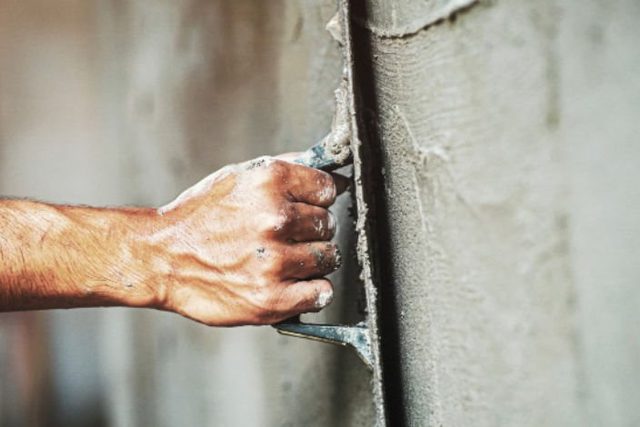
Most paint failures on pebble dash come down to poor preparation. Our process usually includes:
- Cleaning. Algae, moss and grime are removed with a soft-wash so the paint bonds to the dash, not to dirt. See our cleaning page.
- Inspection. We tap the wall to find hollow areas and check for cracks, especially around openings.
- Repairs. Cracks are cut out and filled, blown areas patched, and loose stones secured. Repairs are left to cure before painting.
- Treatment of existing paint. Flaking paint is removed back to a sound edge, and chalky surfaces are stabilised where needed.
- Protection. Windows, doors, paths, roofs and plants are covered.
Only when the wall is clean, sound and dry do we start painting. We will not paint in rain, fog or frost, and we keep an eye on the forecast for the drying period afterwards too.
Choosing a coating
There are a few broad types of finish used on pebble dash, and the right one depends on the wall:
- Smooth or textured masonry paints are widely used and come in many colours. Quality and breathability vary considerably between products.
- Silicone-based masonry coatings are generally water-repellent while remaining vapour-permeable, which suits exposed walls.
- Mineral or silicate paints bond with mineral surfaces and are very breathable, often chosen for older buildings, though they have specific requirements about the surface they go on.
For older solid walls we favour breathable products, so moisture inside the wall can escape. Strong colours can fade faster on south and west-facing elevations, and very dark colours absorb more heat. We will bring colour cards and suggest painting a test area so you can see it in real light against your roof and windows. If the property is listed or in a conservation area, check with the local council before changing the colour.
Application and looking after the finish
Pebble dash has a huge surface area for its size, because every stone has sides and gaps around it. Paint has to be worked into all of them or the finish will look patchy and water will find the bare spots. We use long-pile rollers and brushes suited to rough surfaces, and spray where it is appropriate and safe to control overspray. Two coats are normal, applied in suitable conditions.
Edges matter as much as the main wall. We cut in neatly around windows, doors, pipes and fascias so the finish looks crisp.
Afterwards, keep gutters and downpipes in good order, deal with leaks promptly and give the walls an occasional gentle clean. Expect to repaint at some point, sooner on exposed coastal walls than on sheltered ones. If you notice cracking or blistering, get it checked early; a small crack repair and touch-up is far easier than tackling a large area later.
Typical painting & masonry coatings jobs
- Painting a whole house to hide mismatched repairs
- Repainting faded or flaking painted dash
- Painting a terrace frontage after crack repairs
- Breathable coatings on older solid-wall houses
- Silicone masonry coatings on exposed coastal walls
- Painting rear and side walls of shops and flats
- Colour change on a semi to match its neighbour
- Cutting in around new windows after replacement
Before & after
Examples of our pebble dash work
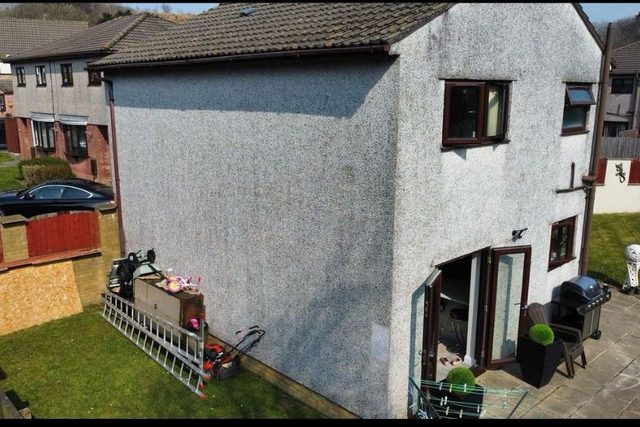 Before
 After
After Before
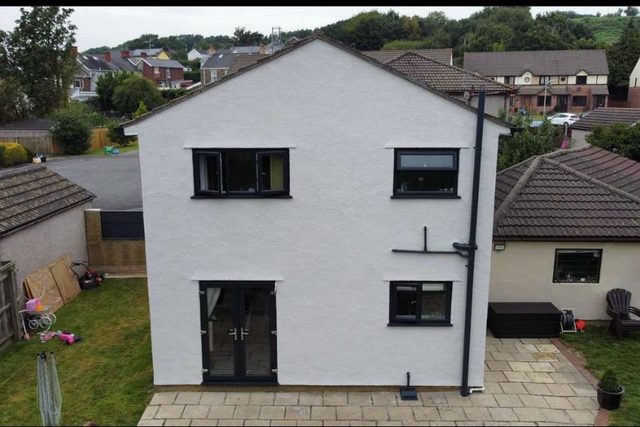 After
After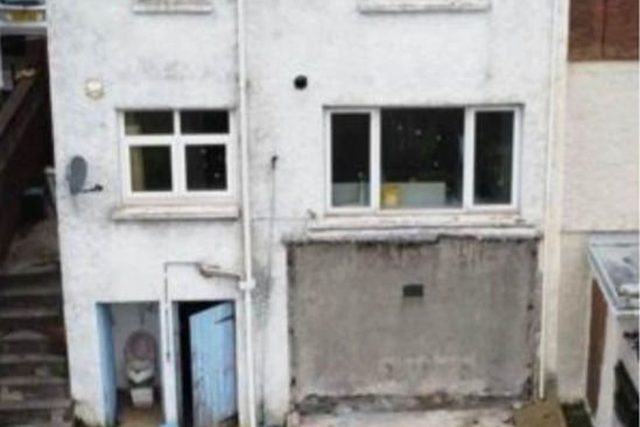 Before
 After
AfterWhere we work
Painting & masonry coatings across South & West Wales
Cardiff & Vale of Glamorgan
Barry · Cardiff · Cowbridge · Llantwit Major · Penarth
Caerphilly & Blaenau Gwent
Blackwood · Caerphilly · Ebbw Vale · Tredegar · Ystrad Mynach
Rhondda Cynon Taf & Merthyr Tydfil
Aberdare · Merthyr Tydfil · Mountain Ash · Pontypridd · Tonypandy · Treorchy
Swansea & Neath Port Talbot
Gorseinon · Mumbles · Neath · Pontardawe · Port Talbot · Swansea
Carmarthenshire
Ammanford · Burry Port · Carmarthen · Kidwelly · Llandovery · Llanelli
Pembrokeshire
Fishguard · Haverfordwest · Milford Haven · Narberth · Pembroke · Pembroke Dock · Saundersfoot · St Davids · Tenby
Ceredigion & Brecon
Aberaeron · Aberystwyth · Brecon · Cardigan · Lampeter
FAQs
Painting & masonry coatings: your questions answered
Can you paint pebble dash?
Yes, provided the render is sound, clean and dry. The paint needs to suit the wall, and on older solid walls we recommend a breathable product. Painting is a commitment, though: once painted, dash will need repainting from time to time.
Which paint is best for pebble dash?
There is no single best product. Masonry paints, silicone-based coatings and mineral paints each suit different situations. We consider the age of the wall, its exposure and any existing coating, then recommend something breathable that will bond well.
What affects the cost of painting pebble dash?
The wall area and height, scaffolding or access equipment, how much cleaning and repair is needed first, whether old paint has to be removed, the type of coating and the number of coats. We give a written quote after looking at the walls.
Can painted pebble dash be returned to natural?
Not easily. Paint gets into every gap between the stones and removing it without damage is very difficult. The usual options are to repaint or to re-dash. That is why we suggest thinking carefully before painting natural dash for the first time.
When is the best time of year to paint?
Late spring to early autumn usually offers the best conditions. Paint needs a dry wall, no rain during application and drying, and temperatures above the minimum on the product. We plan around the forecast and will postpone rather than paint in poor weather.
Will painting stop damp?
Paint alone is not a damp cure. A good breathable coating can reduce rain getting into the surface, but cracks, hollow render, leaking gutters and other causes need to be dealt with first. A non-breathable paint can even make damp worse on some walls.
Reviews
What customers say about us
Reviews from local customers will appear here.
Had a job done by us? Leave a review — it only takes a minute.
Related services
You might also need
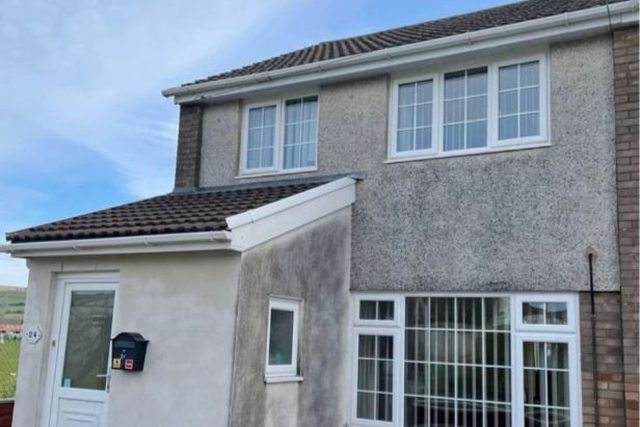 Pebble dash cleaningLow-pressure soft-washing to lift algae, moss and grime without damaging the dash.Patch repairsBlown and missing sections of dash patched with stones sampled and matched as closely as possible.
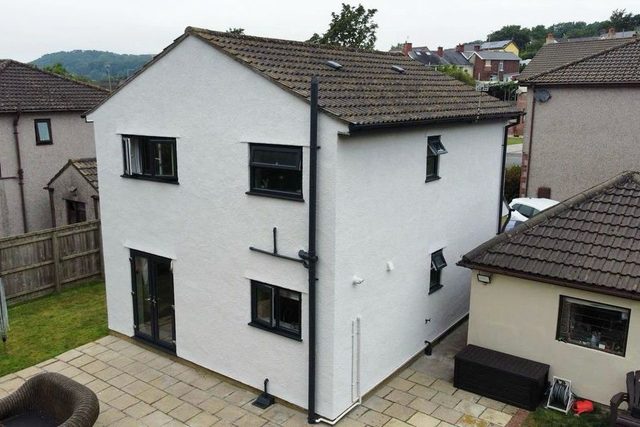 Full re-dashingOld, failing dash stripped back and replaced with a new render and pebble dash finish.
From the blog
Pebble dash advice & guides
Preparing for a Pebble Dash Job: Scaffolding, Neighbours and TimingA little planning makes any pebble dash job run more smoothly. Here is what to expect with scaffolding, neighbours, permissions and the weather.Read more  Why Pebble Dash Cracks in Welsh WeatherRain blown in off the Atlantic, frost on the hills and salt on the coast all test pebble dash. Here is how weather causes cracking, and how to slow it down.Read more
  Can You Paint Pebble Dash? What to Know Before You StartPainting can transform tired pebble dash, but it is a long-term commitment. Here is what to consider, how to prepare and which coatings suit Welsh walls.Read more
  Repair, Re-Dash or Render? Choosing the Right Option for Your WallPatching, re-dashing and re-rendering all have their place. This guide explains when each makes sense, what they involve and the questions to ask before deciding.Read more
  Cleaning Pebble Dash Safely: Why Soft-Washing Beats the Jet WasherAlgae and moss love damp Welsh walls. Here is how to clean pebble dash without blasting the stones off, and how to slow down the green coming back.Read more
  How to Tell If Your Pebble Dash Needs RepairingA walk round the outside of your house can tell you a lot. Here are the simple checks that show whether pebble dash is sound or starting to fail.Read more
 Ready to fix your pebble dash?
Free survey and a clear written quote anywhere in South & West Wales.